What Happens After a Pool Leak Is Found
Detection gives you the answer — here’s what comes next, from the written report to choosing a repair, so you’re never caught off guard.
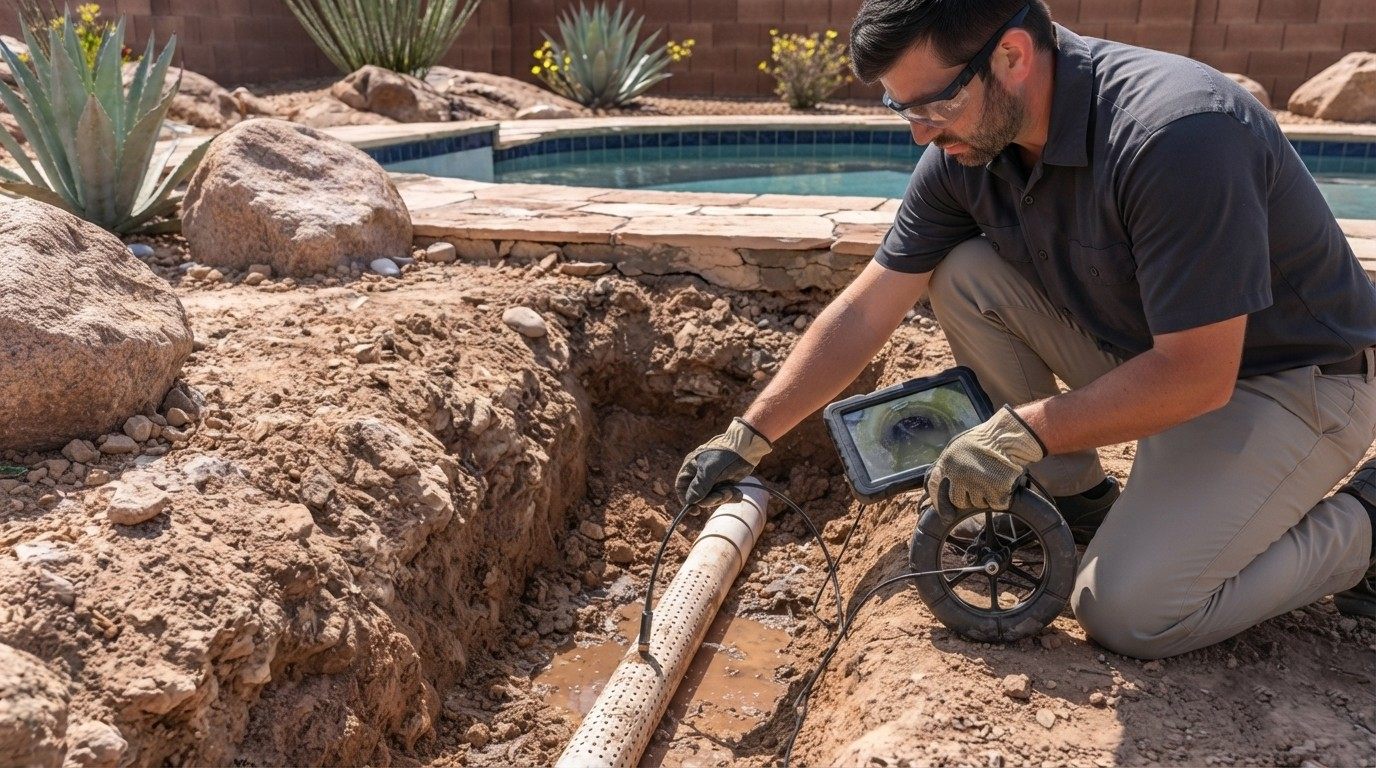
After a pool leak is found, the technician marks the exact spot and gives you a written report. Repair is a separate step — the fix depends on the source, from a simple seal or fitting to a patched pipe or sealed crack. You then get repair quotes, choose a company, and schedule the work. You’re not obligated to use the detection company for the repair.
So the leak’s been located — now what? Knowing what happens after a pool leak is found keeps the process from feeling overwhelming. Detection ends with a clear answer; from there it’s a handful of orderly steps to a fixed pool. Here’s how it goes.
The key thing to remember: finding the leak and fixing it are two different jobs. That separation is your advantage — it lets you make the repair decision calmly, with the facts in hand.
Step 1: You Get the Findings
A thorough detection ends with more than a pointed finger. Expect to receive:
- The exact location of the leak, marked so any repair is targeted.
- The cause — a worn seal, a cracked fitting, a failed pipe, or a structural crack.
- How serious it is and whether it needs prompt attention.
- A written report you can keep and use to gather repair quotes.
That report is your protection. It’s the difference between “there’s a leak somewhere” and a documented problem you can get fair, comparable quotes on.
Step 2: Understand Your Repair Options
What the fix looks like — and costs — depends entirely on what was found. Common outcomes include:
- A worn seal or O-ring at the pump or a fitting — often quick and inexpensive.
- A cracked or loose fitting — re-glued or replaced without much disruption.
- A leaking pipe — patched or replaced; underground lines may need some excavation.
- A structural crack in the shell, plaster, or tile — sealed or patched depending on severity.
- An equipment-pad leak — a repair or part swap at the pump, filter, or valves.
Because these range from a small part to a bigger job, the cost varies widely — our pool leak repair cost guide breaks down what each typically runs.
Step 3: Get and Compare Repair Quotes
With the written findings in hand, you can gather quotes that are actually comparable, because everyone’s pricing the same confirmed problem. This is where detection pays off: you’re not at the mercy of one company’s guess. Keep an eye out for the usual red flags — vague pricing, pressure to sign today, or a push toward a much bigger job than the report calls for.
Step 4: Schedule and Complete the Repair
Once you’ve chosen a company, the repair is scheduled on its own timeline — a simple seal might be same-week, while an excavation takes more planning. After it’s done, it’s worth confirming the fix held: watch your water level, or ask for a quick re-test. This is exactly why detection and repair are separate steps — you verify the problem is truly solved.
Do You Have to Use the Detection Company?
No. If your detection company also does repairs, hiring them can be convenient — and many credit the detection fee toward the repair. But you’re free to take the report to any qualified repair company. An independent, documented diagnosis is what gives you that freedom. When you want the whole thing handled from source to solution, a professional pool leak detection service can guide the next steps.
Keep reading: Does Homeowners Insurance Cover Pool Leaks?
Frequently Asked Questions
How soon after detection should I repair the leak?
Sooner is better for anything more than a tiny leak, since ongoing water loss can erode soil and worsen damage. A small, stable leak gives you time to compare quotes, but don’t let it drag on indefinitely.
Will I get the leak location in writing?
You should. A written report with the marked location and recommended fix is standard from a thorough detection, and it’s what lets you get fair repair quotes.
Can the same leak come back after repair?
A properly repaired leak shouldn’t return, but pools can develop new leaks elsewhere over time. Confirming the fix held — by watching your water level — is a smart final step.
What if they find more than one leak?
It’s common. The report should list each one, and you can decide whether to fix them together, which is usually more efficient than repeat visits.
The Bottom Line
After the leak is found you get a written report, weigh your repair options, compare quotes, and schedule the fix — calmly, with the facts on your side.
Still at the start of the process? Take our free 60-second assessment to see the likely source of your leak before detection even begins.