Pool Leak Repair Cost Guide: What You Should Expect to Pay
Worried your pool leak is going to cost thousands? Here’s what repairs actually cost — and how to avoid paying for a fix you don’t need.
Finding out your pool has a leak can send your mind straight to the worst-case scenario: “Great… how much is this going to cost me?” Maybe your water level drops every few days, maybe your water bill jumped, or maybe you spotted a wet patch in the yard and started picturing a broken pipe underground.
Here’s the honest truth: pool leak repairs can range from a couple hundred dollars to several thousand, and the price depends almost entirely on what is actually causing the leak. A worn pump seal might be a quick fix; a broken underground line takes more time, equipment, and labor.
And a crack in your pool does not automatically mean you need a new pool. The biggest mistake homeowners make is approving repairs before they know exactly what they’re fixing — which is often just the underlying reason a pool starts leaking in the first place.
Before you spend a dollar, you want real answers: Where is the leak coming from? How serious is it? What are your repair options? Is the estimate fair? This guide breaks down the typical pool leak repair cost homeowners can expect, what moves the price up or down, and how to avoid paying for repairs you don’t actually need. If you’re still not sure you even have a leak, start with the early warning signs of a pool leak or how professional leak detection actually works.
How Much Does Pool Leak Repair Cost?
The average pool leak repair cost varies widely depending on where the leak is and how hard it is to reach. Most repairs fall into one of three ranges — and the good news is that not every leak lands in the top tier:
| Repair level | Typical cost |
|---|---|
| Minor — worn seals, small fittings, O-rings and gaskets, minor equipment leaks | $100 – $500 |
| Moderate — skimmer repairs, plumbing connections, equipment or valve replacement, some underground pipe work | $500 – $2,000 |
| Major — underground plumbing, structural repairs, extensive shell damage, resurfacing, excavation | $2,000 – $10,000+ |
Many leaks turn out to be much smaller problems once they’re properly diagnosed instead of guessed at. The real challenge is figuring out which category your pool falls into before spending money.
- Average Pool Leak Repair Cost
Detection Cost vs Repair Cost
One of the biggest points of confusion is the difference between finding the leak and fixing it — they’re two separate services. Professional leak detection service pinpoints the source before any repairs begin; the repair cost then depends entirely on what actually failed:
| Service | Typical cost |
|---|---|
| Professional leak detection (finding the source) | $250 – $750 |
| Leaking pump seal | $150 – $500 |
| Broken underground pipe | $500 – $3,000+ |
| Structural crack repair | $500 – $5,000+ |
The reason paying for detection can actually save money is simple: guessing gets expensive. Replacing a pump because you assume it’s leaking, only to find the real culprit was a $200 seal, is a frustrating and costly mistake.
- Average Pool Leak Detection Cost
- Pool Leak Detection Cost vs Repair Cost
What Determines the Cost of a Repair?
There’s a reason one homeowner pays $300 and another pays $5,000. Pool leak repairs aren’t priced by the leak alone — several factors drive the final number:
- Where the leak is located. Usually the biggest factor. An easy-to-reach pump or filter leak costs far less than buried underground plumbing, main-drain lines, or hidden structural issues.
- The type of repair needed. A failed gasket is very different from replacing underground plumbing; a loose fitting is very different from repairing a cracked shell.
- How accessible the area is. A repair under exposed equipment is simpler than one under concrete decking, landscaping, or the pool structure — the harder the access, the more labor involved.
- The age and condition of your pool. An older pool may have several issues at once. A 25-year-old pool can have aging plumbing, worn equipment, and surface damage stacking up, while a 5-year-old pool with one failed seal may need only a small repair.
A Closer Look at Repair Costs by Severity
Minor repairs
These are the ones homeowners hope for — a pump leaking from a worn shaft seal may only need that one part replaced. The key is not assuming a small visible leak means the whole system needs replacing.
Moderate repairs
These usually involve more labor or harder-to-reach areas. With a leaking return line, the pipe itself isn’t expensive — the cost comes from finding the damaged section, accessing it, and repairing the area afterward.
Major repairs
These are tied to bigger problems like extensive underground damage or structural issues. This is where homeowners panic — but a major repair isn’t automatic just because you have a leak. Any company that says “you need a new pool” before properly testing is waving a red flag — a good diagnosis gives you options.
Pool Equipment Leak Repair Costs
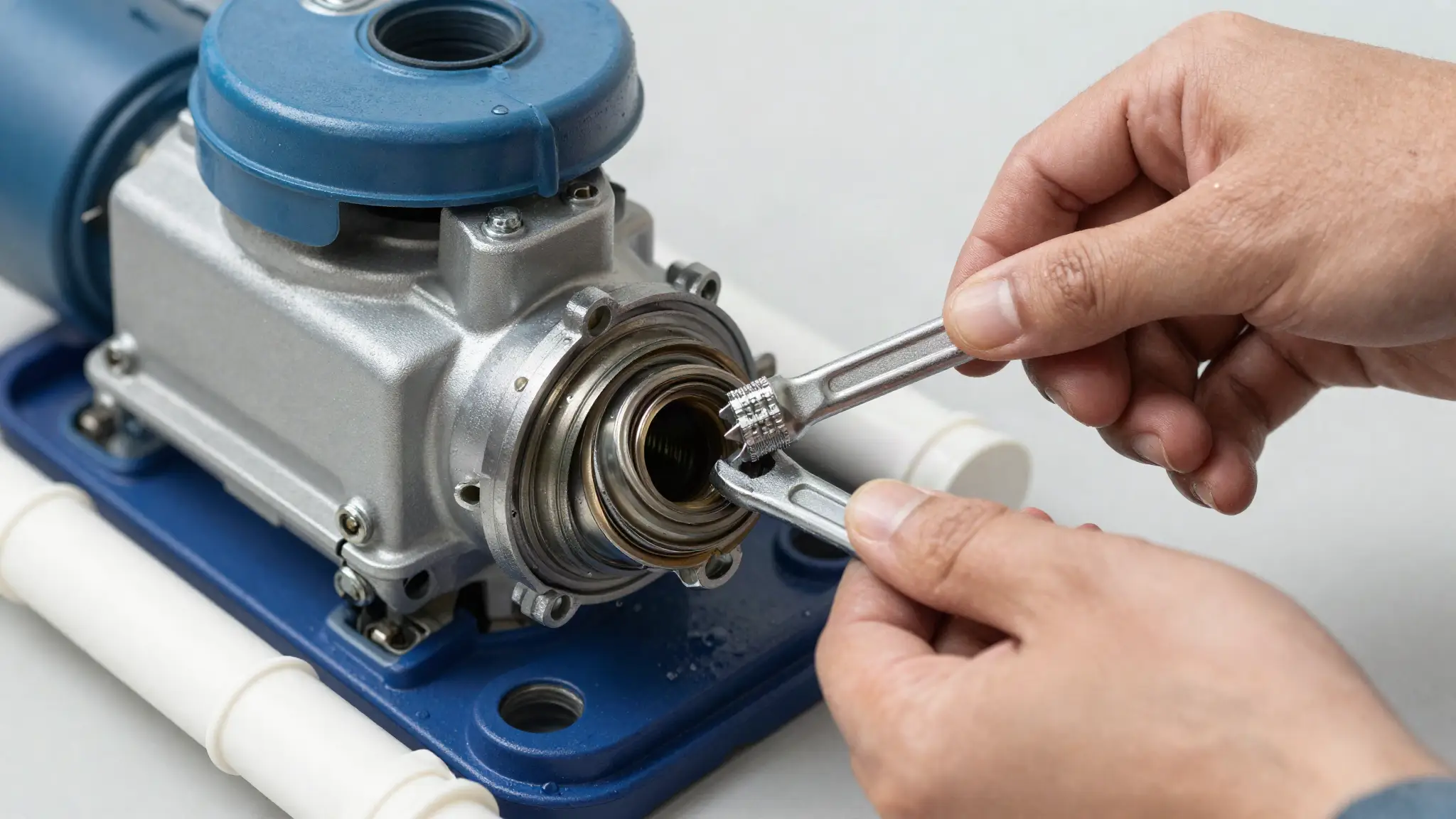
Sometimes homeowners assume the pool itself is leaking when the real problem is sitting right beside it on the equipment pad. The good news? These leaks around the pump, filter, heater, and valves are often easier and cheaper to fix than underground or structural leaks.
| Repair | Typical cost |
|---|---|
| Pump shaft seal replacement | $150 – $400 |
| Pump housing repair or replacement | $300 – $800+ |
| Pump lid O-ring / connection repair | $50 – $200 |
| Filter O-ring & gasket replacement | $100 – $300 |
| Filter tank repair or replacement | $500 – $1,500+ |
| Pool heater repair | $300 – $2,000+ |
| Valve repair or replacement | $100 – $600 |
Heaters are the trickiest here — a simple connection repair is inexpensive, but an internal component or heat-exchanger problem climbs quickly. With filters, a newer tank with one failed part is usually worth repairing, while an older filter with multiple issues may be cheaper to replace.
- Pool Pump Repair Cost
- Pool Filter Repair Cost
- Pool Heater Repair Cost
- Pool Valve Repair Cost
Underground Pool Plumbing Repair Costs
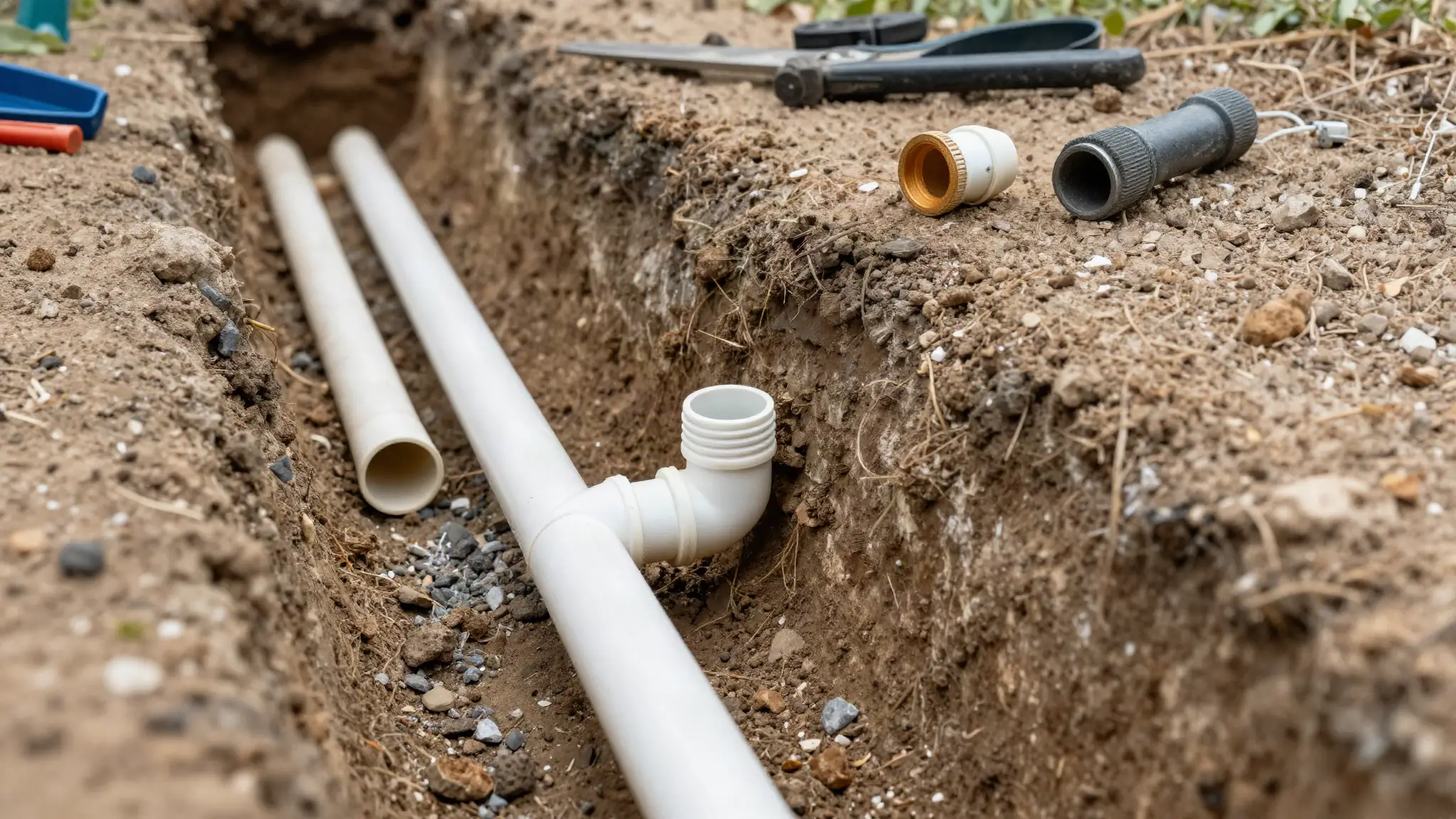
Underground plumbing leaks worry homeowners the most because they picture someone digging up the entire yard. In reality, the cost depends on where the pipe failed, how easy it is to reach, and how much excavation and patch-up the job requires. Locating a buried pipe leak accurately is what keeps that excavation small.
| Repair | Typical cost |
|---|---|
| Return line repair (water back to the pool) | $500 – $2,500+ |
| Suction line repair (water toward equipment) | $500 – $3,000+ |
| Main drain line repair (beneath the pool) | $800 – $3,500+ |
Suction-line trouble often shows up as air bubbles, the pump losing prime, and water loss while the pump runs. Main-drain leaks are the most involved because the plumbing sits beneath the pool — but a suspected main-drain problem doesn’t automatically mean draining or rebuilding. Proper testing should confirm it first.
- Underground Pool Plumbing Repair Cost
- Pool Return Line Repair Cost
- Pool Suction Line Repair Cost
- Pool Main Drain Repair Cost
Pool Structure Leak Repair Costs
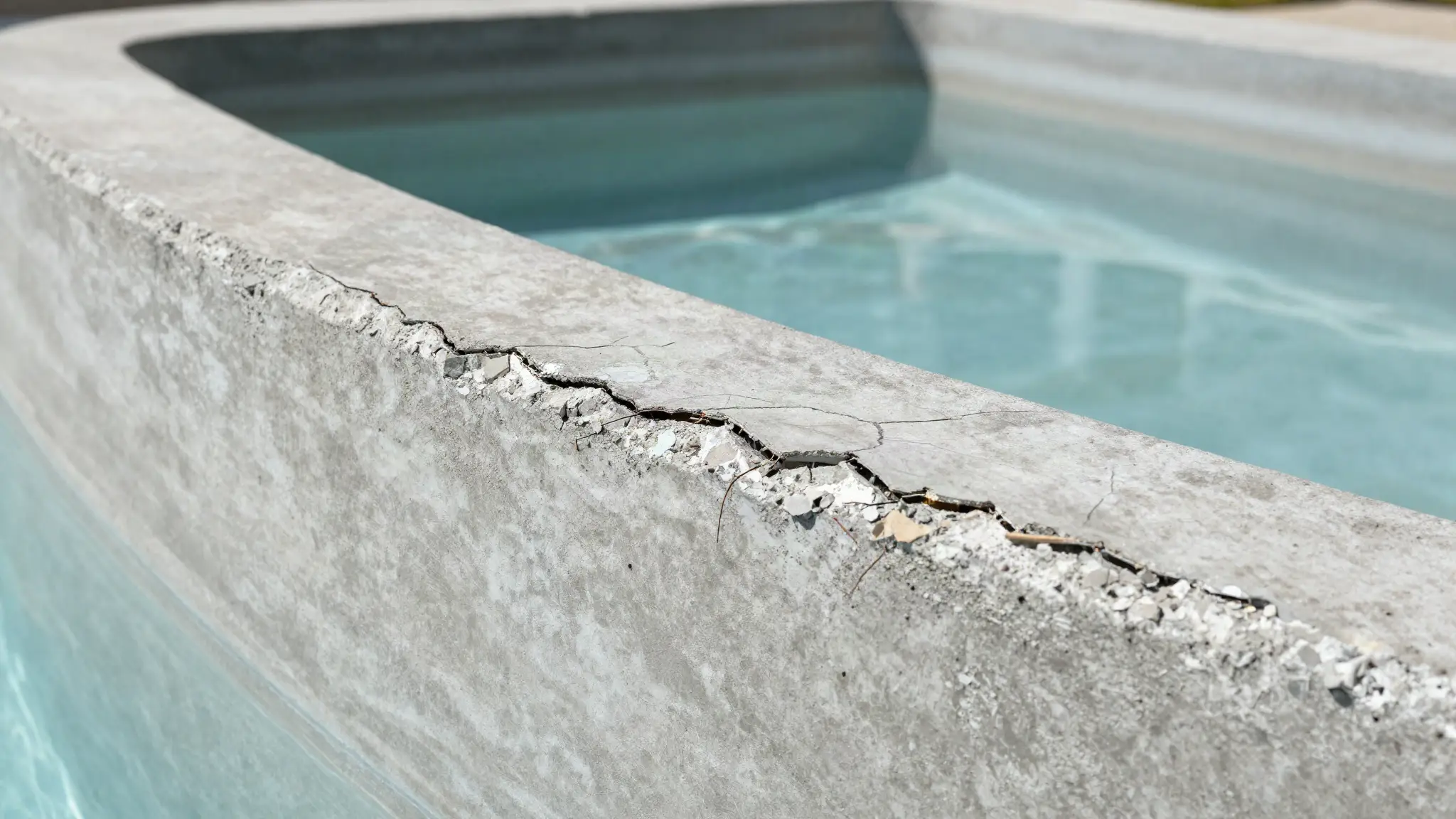
Structural leaks cause the most anxiety — you see a crack, missing tile, or damaged plaster and immediately think, “Is my entire pool failing?” The good news is that not every crack, plaster, or shell issue means a major rebuild. The cost depends on the type of damage, how deep it goes, the pool type, and whether water is actually escaping.
| Repair | Typical cost |
|---|---|
| Concrete crack repair (sealing to structural crack repair) | $500 – $5,000+ |
| Plaster repair (patch to full resurfacing) | $300 – $5,000+ |
| Tile repair | $150 – $2,000+ |
| Coping repair | $500 – $3,000+ |
| Expansion joint repair | $300 – $1,500+ |
Small cracks may only need sealing or injection, while active structural cracks require more extensive work. Loose tiles, damaged coping, and worn expansion joints can all let water escape around the pool edge — and fixing them early usually heads off bigger problems.
- Concrete Pool Crack Repair Cost
- Pool Plaster Repair Cost
- Pool Tile Repair Cost
- Pool Coping Repair Cost
- Pool Expansion Joint Repair Cost
Repair Cost by Pool Type
The type of pool you own plays a major role in repair costs, because concrete, fiberglass, and vinyl liner pools each have different failure points.
| Pool type | Typical range |
|---|---|
| Concrete / gunite — cracks, plaster, tile, coping, plumbing | $500 – $10,000+ |
| Fiberglass — plumbing connections, fittings, shell / stress cracks | $300 – $5,000+ |
| Vinyl liner — tears, punctures, aging liners, failed fittings | $150 – $5,000+ |
Concrete pools are durable, but costs climb when the shell is involved or resurfacing is needed. Fiberglass costs hinge on whether the issue is cosmetic or structural. And with vinyl, small tears are cheap to patch — but replacing an entire aging liner is far more expensive.
- Fiberglass Pool Crack Repair Cost
- Vinyl Liner Leak Repair Cost
What Makes Pool Leak Repairs So Expensive?
A lot of homeowners wonder, “Why does fixing a leak cost so much? It’s just water leaking somewhere.” The expensive part usually isn’t the water — it’s finding and accessing the problem.
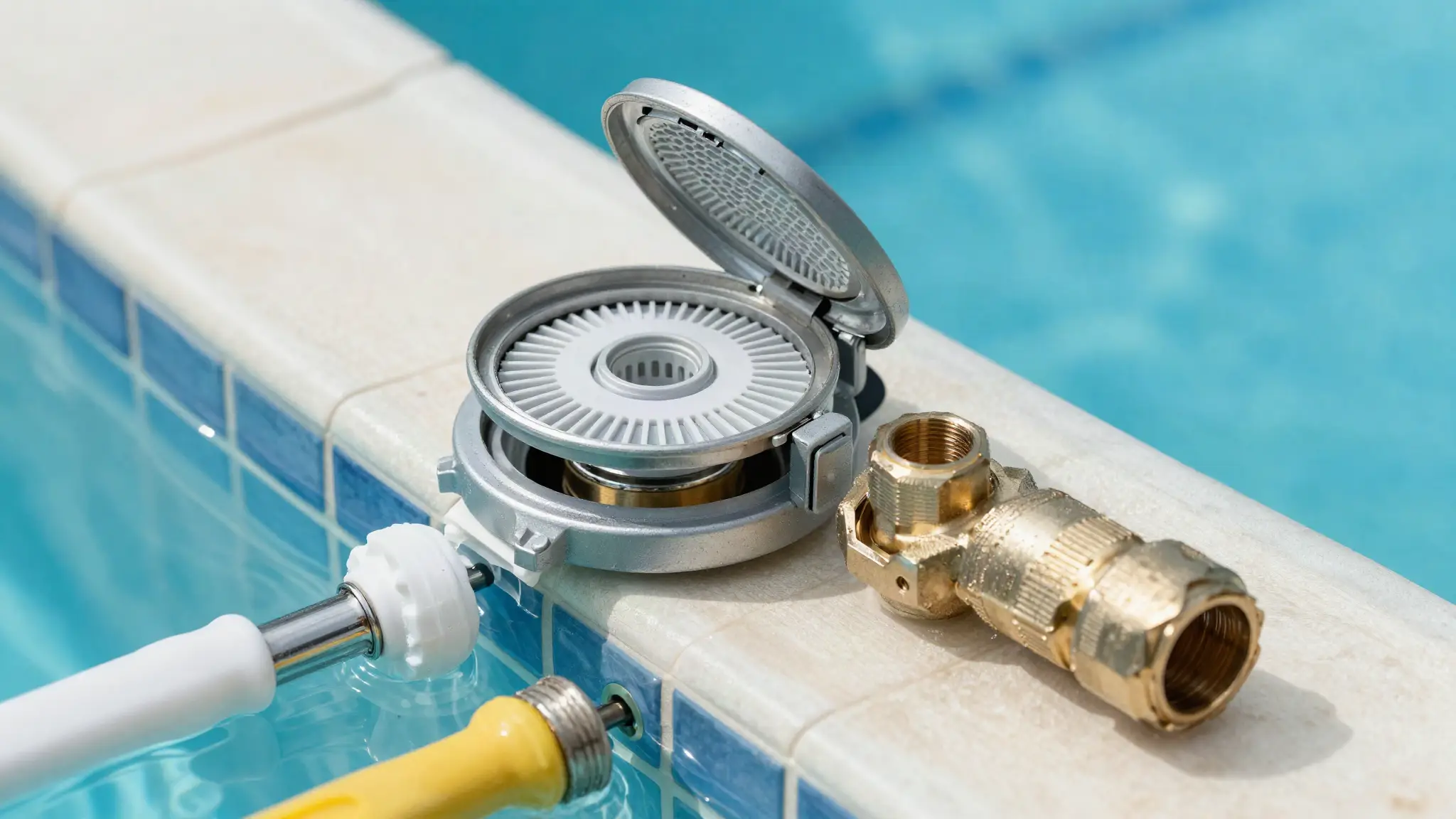
Three things push the cost up:
- Finding the exact location. Water travels through soil, concrete, and plumbing pathways, so a wet spot rarely marks the source — which is exactly why guessing gets expensive.
- Accessing the repair area. A pipe under open ground is far simpler to reach than one under decking, landscaping, or equipment.
- Specialized equipment and experience. Pressure testing, electronic detection, and acoustic listening tools all take skill to use well.
The goal isn’t just finding water — it’s finding the source.
Can You Fix a Pool Leak Yourself?
Some homeowners can handle small repairs — replacing simple O-rings, tightening loose connections, and fixing minor equipment issues. But underground plumbing, structural cracks, shell repairs, and complex equipment failures are better left to professionals. The biggest DIY mistake is spending money fixing the wrong thing: replacing a pump, patching a crack, or digging up the yard without confirming the leak location can cost more than hiring someone to diagnose it properly. If you want to narrow things down first, a few simple at-home leak tests are a smart starting point.
How to Avoid Overpaying for Repairs
Nobody wants to spend more than they have to, and the best protection is understanding what you’re paying for.
Before approving any repair, ask whether they actually know where the leak is (a repair should be based on evidence, not a guess), what testing was done to confirm it, and what your options are. A good company explains the recommended repair, the alternatives, the expected lifespan, and the cost.

Always get the repair in writing, and remember the cheapest estimate isn’t always the best deal — a wrong repair can cost far more than paying for the correct diagnosis upfront. If you want a second set of eyes on the diagnosis itself, our guide to choosing a leak detection company you can trust covers exactly what to look for.
Questions to Ask Before Approving an Estimate
A repair estimate can feel overwhelming — someone tells you what’s wrong, gives you a price, and now you have to decide. Before agreeing to anything, ask:
- “How was the leak confirmed?” You want to know where it was found, what testing was performed, and why they believe that’s the source. A recommendation should come after the problem is identified.
- “What exactly am I paying for?” A good estimate spells out the damaged component, repair method, parts, and labor — not a vague “Pool repair — $3,000.”
- “Are there other repair options?” Sometimes there’s a choice between repairing a component, replacing an older part, or monitoring the issue.
- “What happens if this doesn’t fix the leak?” A professional should explain what they believe is wrong, what the repair should solve, and the next step if water loss continues.
Insurance, Financing, and Repair vs. Replace
Does homeowners insurance cover it? It depends on what caused the damage and what your policy covers. Damage from a sudden, unexpected event is often treated differently than normal wear and tear, aging equipment, or long-term deterioration — a slow leak from an old pipe may not be covered. Rather than assuming either way, check your policy or call your insurer before making decisions.
Financing a larger repair? Underground plumbing, structural work, and resurfacing can become a big expense, and some homeowners explore payment plans or home-improvement financing. Just remember a payment plan doesn’t make a bad repair decision better: confirm the leak, understand the repair, and compare options first.
Repair or replace? Repair usually makes sense when the problem is isolated, the pool is otherwise in good shape, and the cost is reasonable. Replacement or major renovation may make more sense when multiple systems are failing, the pool is near the end of its lifespan, or repairs keep stacking toward replacement value. An older pool doesn’t automatically need replacing — a 20-year-old pool with one failed component may need just one repair.
When Should You Call a Professional?
Pool leaks rarely fix themselves. It’s worth calling a professional when:
- Your pool keeps losing water, or you’re constantly refilling it
- Your water bill climbs for no clear reason
- You can’t locate the source, or the leak seems to be underground
- You notice wet areas around the pool, or equipment that keeps leaking
- You suspect structural damage
The longer a leak continues, the more room there is for water waste, soil erosion, and more expensive repairs down the road — which is exactly why bringing in the right specialist early tends to be the cheapest path in the long run.
- HUD — Home Improvements & How to Finance Them — federal home-repair loan programs and how to avoid fraudulent contractors.
- CFPB — What Is a Home Equity Loan? — one common way homeowners finance a larger repair (Consumer Financial Protection Bureau).
- Arizona Attorney General — Consumer Fraud & Scams — how to spot a bad repair deal and report it here in Arizona.
Frequently Asked Questions About Pool Leak Repair Costs
How much does it cost to fix a pool leak?
Pool leak repairs range from around $100 for minor fixes to $10,000+ for major structural or underground plumbing work. The cost depends on where the leak is located and what needs to be repaired.
What is the most expensive pool leak repair?
The priciest repairs are usually underground plumbing, structural damage, major resurfacing, and jobs requiring extensive excavation.
Can a pool leak be repaired without draining the pool?
Many leaks can be repaired without fully draining the pool. It depends on the leak’s location, the pool type, and the repair method.
Is pool leak repair worth it?
In most cases, yes — ignoring water loss usually leads to bigger, costlier problems. The key is making sure you’re repairing the correct issue.
Should I repair an old pool?
Age alone doesn’t decide it. A professional evaluation helps you weigh repair cost, pool condition, and remaining lifespan.
How do I know I’m getting a fair pool repair estimate?
A fair estimate clearly explains what was found, how it was confirmed, what repair is recommended, and exactly what the cost includes.
Don’t Pay for a Repair Until You Know What You’re Fixing
A pool leak is stressful enough without guessing. The biggest mistake homeowners make is rushing into repairs before understanding the actual problem — and paying for something they never needed.
The smartest first step is knowing where the leak is coming from, what repair is needed, and what a fair cost looks like. Once you have that, you can decide with confidence. Keep learning with our complete pool leak detection walkthrough, the most common reasons pools start leaking, or when you’re ready for the fix, professional pool leak repair.