The Swimming Pool Leak Detection Guide That Saves You $1,000s on Repairs
Everything you need to know before paying for a pool leak repair.
Think Your Pool Has a Leak? Don’t Panic Yet.
If your pool is suddenly losing water, your mind probably goes straight to the worst-case scenario: “Great… this is going to cost me thousands of dollars.”
That’s exactly what most homeowners think. The problem is, a lot of pools lose water for reasons that aren’t nearly as serious as people imagine. It might be normal evaporation, a small equipment leak, a loose fitting, or something that costs far less to fix than replacing underground plumbing or tearing up your deck.
The expensive mistakes usually happen when people start guessing. Maybe someone replaces a pump that wasn’t leaking. Maybe they start digging in the wrong place. Or maybe they approve a repair without really understanding what the problem is. That’s what this guide is here to help you avoid.
By the time you’re finished reading, you’ll understand how to tell if you actually have a leak, where leaks usually happen, how professionals find them, what leak detection costs, when you can check things yourself, and how to avoid paying for repairs you don’t actually need.
What Is Pool Leak Detection?
Pool leak detection is exactly what it sounds like — finding where your pool is losing water before anyone starts repairing anything. Think of it like getting an X-ray before surgery. If your doctor guessed where the problem was, you’d probably find another doctor. The same idea applies to your pool.
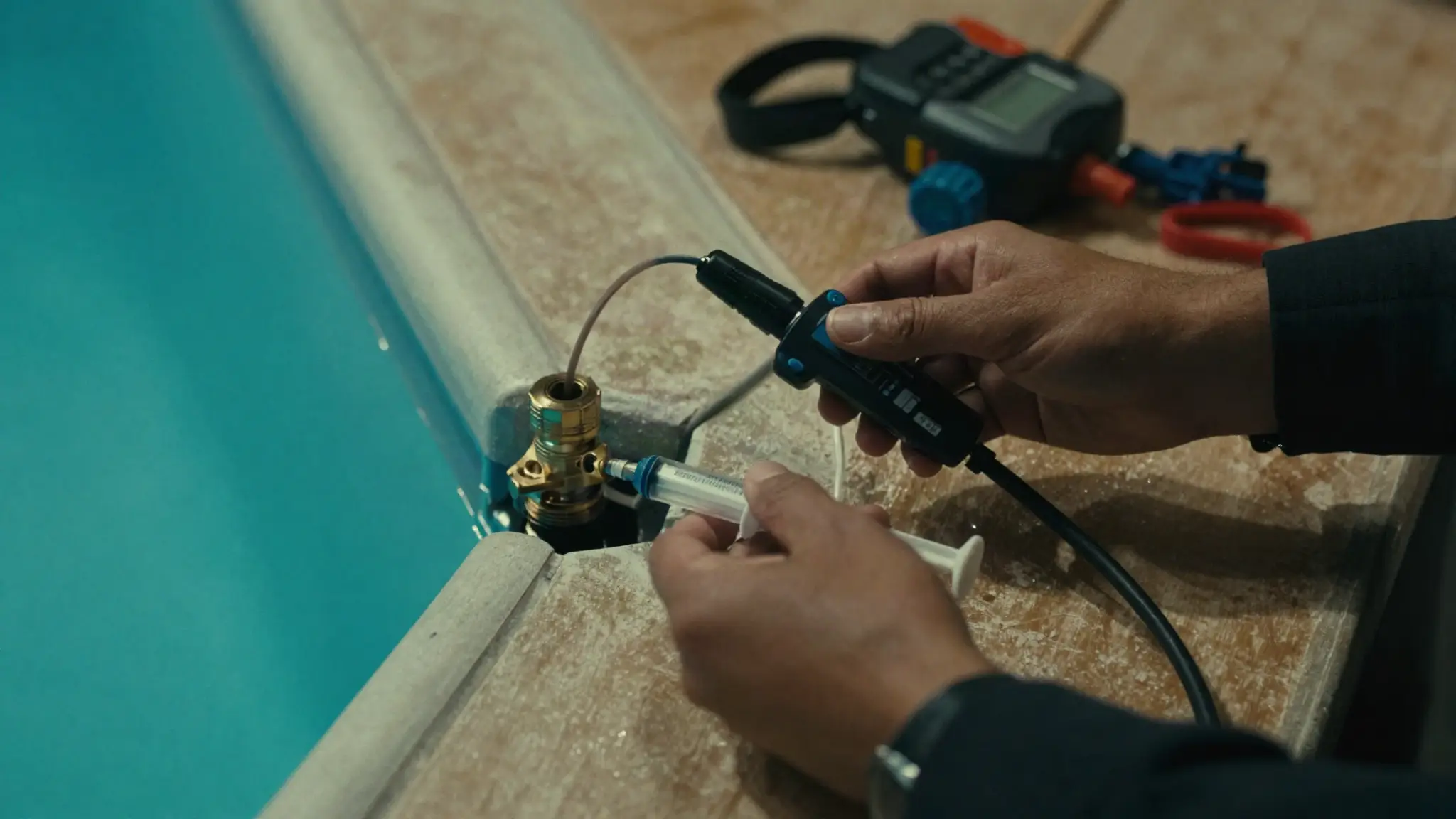
A pool can leak from dozens of different places, including the plumbing, equipment, skimmer, lights, return fittings, spa, or even the pool shell itself. Until someone confirms the source, nobody knows which repair — if any — you actually need. That’s why professional pool leak detection almost always comes first.
Instead of replacing random parts and hoping for the best, a specialist works to identify the exact location of the leak so you can make an informed decision. Sometimes the repair is surprisingly simple. Sometimes it’s more involved. Either way, it’s a lot better than spending money on the wrong fix.
How Do You Know If Your Pool Has a Leak?
Here’s the tricky part: every pool loses some water. Arizona heat, wind, low humidity, and kids doing cannonballs all lower your water level, so seeing the water drop doesn’t automatically mean something is wrong. The real question is whether your pool is losing more water than it should. Some of the most common warning signs include:
- You’re adding water every few days.
- Your water bill suddenly jumps.
- The pool loses water faster than normal.
- Wet spots start showing up around the pool.
- The water always stops at the exact same level.
- You notice air bubbles coming from the return jets.
- The equipment pad always seems wet.
None of these symptoms prove you have a leak by themselves — but together they paint a pretty good picture. If you’re still not sure, our guide to pool leak symptoms walks through each sign step by step.
Where Do Pool Leaks Usually Happen?
One of the biggest surprises for homeowners is learning there isn’t just one place a pool can leak. Modern pools have a lot of moving parts, and any one of them can be the culprit.
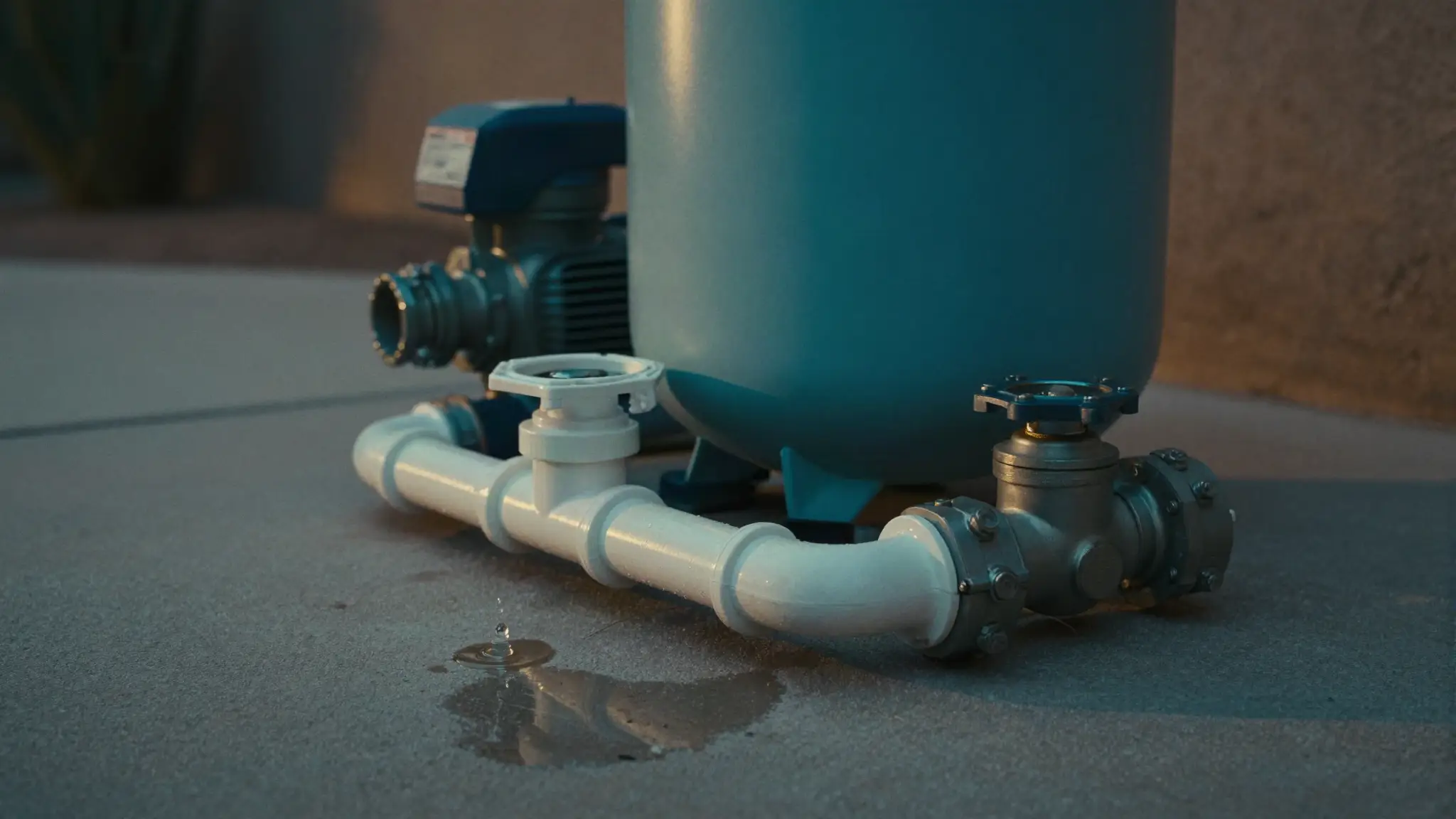
Pool Equipment
Pumps, filters, heaters, valves, and plumbing connections can all develop leaks as seals wear out over time. Many of these are simple pool leak repairs.
The Skimmer
The skimmer is one of the most common places leaks develop, especially around the plastic body where it meets the concrete.
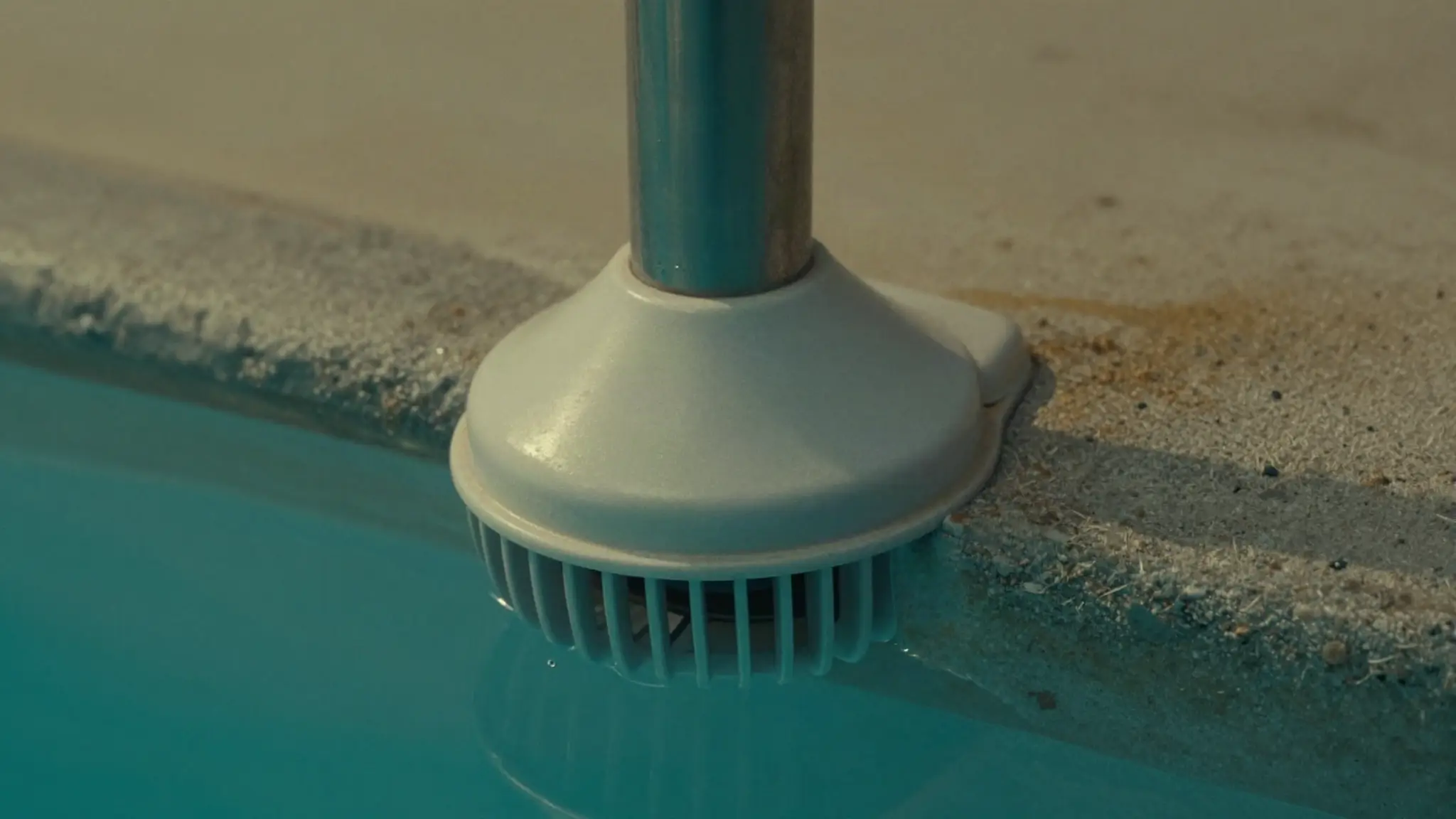
Return Fittings
These fittings send clean water back into your pool. Cracks or loose fittings can allow water to escape behind the pool wall.
Pool Lights
Many homeowners never realize the light niche can leak until the water level consistently stops just below the light.
Underground Plumbing
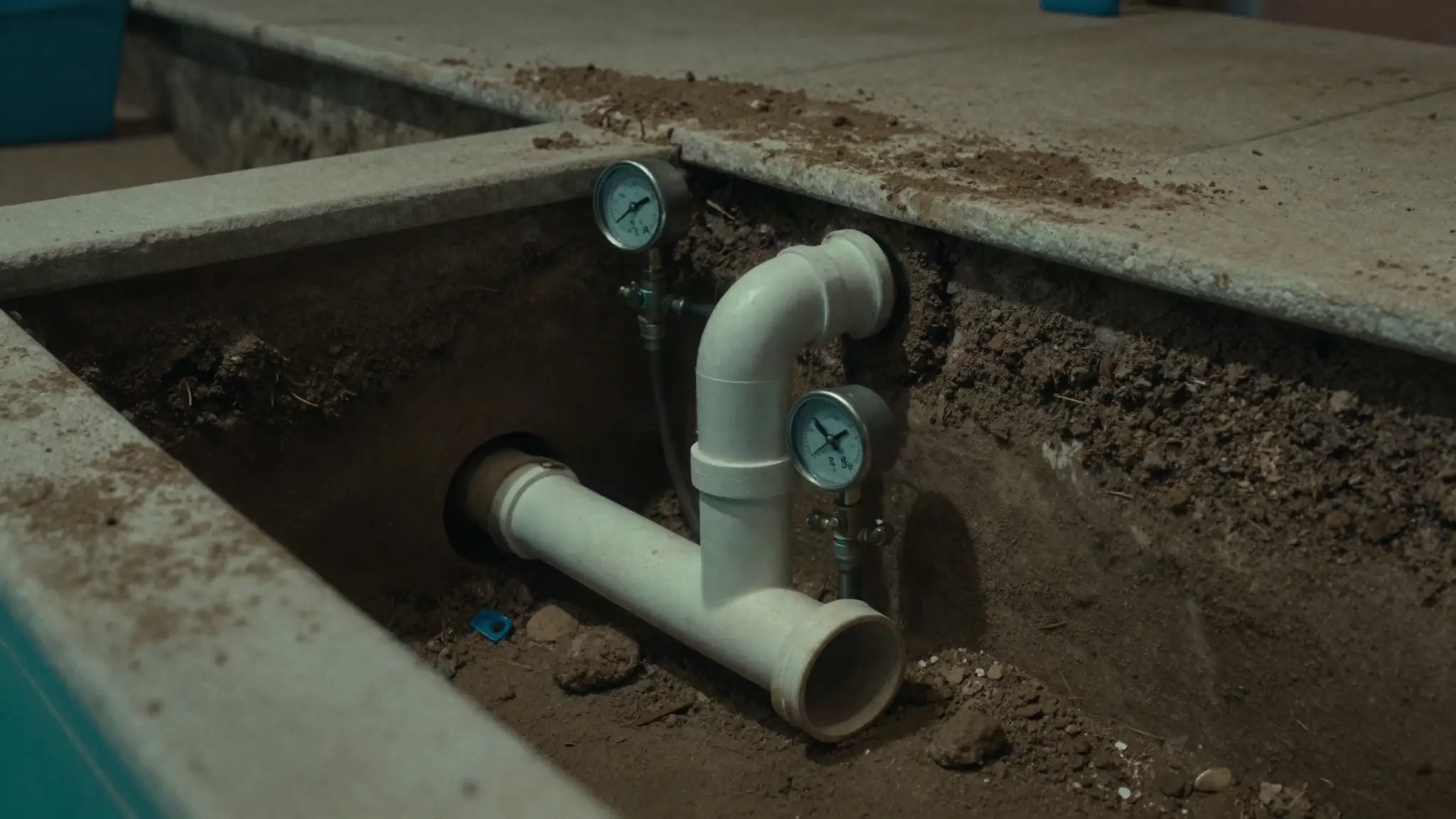
Broken pipes beneath your deck or yard can waste a surprising amount of water without ever creating a visible puddle — which is why underground pipe leak detection uses pressure testing to pinpoint them.
The Pool Shell
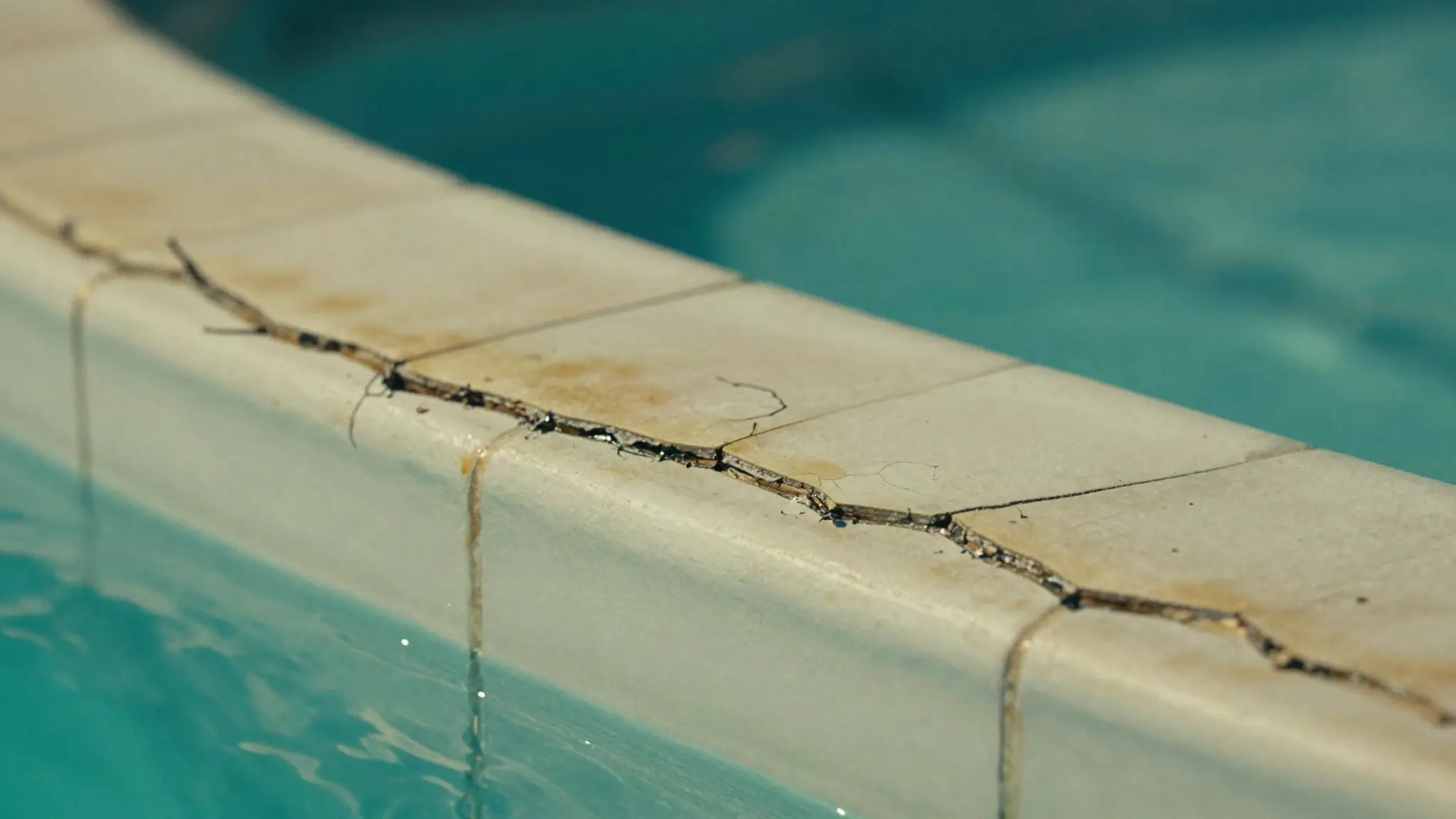
Concrete, plaster, fiberglass, tile, and expansion joints can all develop cracks over time. When they do, structural crack repair may be needed — but only after the crack is confirmed as the source.
Spas & Water Features
If your pool has an attached spa, waterfall, or spillway, those systems have their own plumbing that can leak independently — the focus of spa leak detection.
The important thing to remember is this: every one of these problems requires a different repair. That’s why finding the leak comes before fixing it.
How Long Does Pool Leak Detection Take?
Most pool leak detection appointments take 1 to 3 hours, but there’s no magic number. If the leak is coming from a pump seal or a cracked fitting, it might be found pretty quickly. If it’s hiding somewhere underground or only happens when the system is running, it can take longer. A few things that affect how long an inspection takes:
- The size of your pool
- Whether you have a spa or water features
- How many symptoms you’re experiencing
- Whether the leak is easy to reproduce
- Whether multiple tests are needed
The important thing isn’t how fast they finish. It’s whether they actually find the leak before recommending repairs.
How Accurate Is Professional Leak Detection?
One of the first questions homeowners ask is: “What if they can’t find it?” It’s a fair question. Professional leak detection is very accurate, but no honest company should promise they’ll find every leak in every situation. Some leaks only happen under certain conditions. Others are so small they take more time to isolate.
What experienced leak detection companies do have is specialized equipment and a process for narrowing the problem down instead of guessing. The best companies will explain what they tested, what they found, what they ruled out, and why they recommend the next step. If someone immediately recommends expensive repairs without showing you how they reached that conclusion, it’s okay to ask questions. You’re the one paying the bill.
How Much Does Pool Leak Detection Cost?
This is usually the question people ask after Googling, “Do I even have a leak?” The honest answer is that pricing varies depending on your location, the size of your pool, and how complex the inspection is. A basic inspection costs much less than replacing plumbing that didn’t need replacing — which is exactly why leak detection often saves homeowners money.
Imagine replacing a pool pump because someone “thought” it was the problem, only to discover the real leak was a cracked return fitting. Now you’ve paid for a new pump and still have a leak. A professional inspection is designed to answer one question first: where is the water actually escaping? Once you know that, you can make a much smarter decision about repairs.
When comparing companies, don’t just look for the lowest price — ask what’s included. A good inspection should clearly explain what was tested, what they found, whether the leak was confirmed, and what repairs, if any, are recommended. Sometimes paying a little more for a thorough inspection saves you thousands in unnecessary work later.
Can You Find a Pool Leak Yourself?
Sometimes. If you’re comfortable doing a little troubleshooting, there are a few simple things you can check before calling anyone. You can perform a bucket test to compare evaporation to water loss, use food coloring around a suspected crack or fitting, look for wet soil or dripping equipment, and check whether the water always drops to the same level. Our full walkthrough covers how to find a pool leak yourself.
These DIY checks can help you gather clues. What they usually can’t do is tell you exactly where an underground pipe is leaking or which plumbing line has failed — that’s where specialized equipment makes a big difference. Think of DIY pool leak testing as narrowing down the possibilities, not making a final diagnosis. If you’ve tried the basics and still don’t know where the water is going, it’s probably time for a professional inspection.
- Can I Find a Pool Leak Myself?
When Should You Call a Professional?
Not every situation requires a leak detection company, but there are a few signs that usually mean it’s time to stop guessing. Consider scheduling an inspection if:
- You’re adding water every few days.
- Your pool loses much more water than normal evaporation.
- Your water bill suddenly jumps.
- You notice wet spots around the pool or yard.
- Your pump keeps losing prime.
- Air bubbles are coming from the return jets.
- The water level always stops at the same place.
- You’ve already tried the bucket test and still aren’t sure.
The sooner you know what’s actually happening, the easier it usually is to make a smart repair decision.
How to Avoid Getting Ripped Off
Let’s be honest: most homeowners aren’t worried about paying for a repair. They’re worried about paying for the wrong repair. That’s what makes pool leaks so stressful — unless you’ve dealt with one before, it’s hard to know whether you’re getting an honest diagnosis or an expensive guess. A trustworthy company should have no problem answering a few simple questions. Ask them:
- How did you confirm that’s where the leak is?
- Can you show me the evidence?
- Are there any other possible causes?
- Can I get a written estimate?
- Exactly what am I paying to repair?
If the repair is expensive, don’t feel rushed into making a decision. It’s perfectly reasonable to get a second opinion, especially if someone recommends tearing up your deck or replacing major equipment. A good company wants you to understand the problem. A bad one just wants your approval. The more you understand before signing anything, the harder it is for anyone to sell you something you don’t actually need.
What Happens After the Leak Is Found?
Finding the leak is a big step — but it’s not the finish line. Once the source has been confirmed, the technician should explain where the leak is, what’s causing it, what repair options you have, what the repair is likely to cost, and whether it needs immediate attention or can wait.
This is where a lot of homeowners breathe a sigh of relief, because not every leak turns into a massive repair bill. Some leaks are as simple as replacing a worn O-ring, tightening a fitting, or repairing a small section of plumbing. Others may involve more planning if the leak is underground or in the pool’s structure. The important thing is that you’re making a decision based on facts — not guesses. That’s the entire purpose of leak detection.
Does Homeowners Insurance Cover Pool Leaks?
Unfortunately, there’s no one-size-fits-all answer. Whether homeowners insurance covers a pool leak depends on what caused the damage and the details of your policy. For example, sudden and accidental damage may be treated differently than normal wear and tear, aging equipment, or gradual deterioration. That’s why it’s always worth calling your insurance company before assuming you’re covered — or assuming you’re not. If you’re considering filing a claim, ask whether leak detection is covered, whether the repair itself is covered, whether damage to surrounding deck or landscaping is covered, and what your deductible is.
Know the cost before you commit: our pool leak repair cost breakdown shows what each type of fix typically runs.
- EPA WaterSense — Pool Water Efficiency — How pools lose water through evaporation, leaks, and splash-out (U.S. EPA).
- USGS — Evaporation & the Water Cycle — The science of how open water evaporates — key to telling normal loss from a real leak.
- EPA WaterSense — Fix a Leak Week — Why leaks waste so much water and how to catch them early (U.S. EPA).
Frequently Asked Questions
Can a pool leak fix itself?
Unfortunately, no. Leaks almost always stay the same or get worse over time. Even a small leak can waste thousands of gallons of water if it’s ignored.
Is it safe to keep using my pool if I think it has a leak?
It depends on where the leak is and how severe it is. A small equipment leak may not require you to stop using the pool right away, but significant water loss or structural concerns should be inspected as soon as possible.
What’s the most common place for a pool to leak?
Some of the most common leak locations include skimmers, return fittings, pool equipment, underground plumbing, lights, and cracks in the pool shell.
Is professional leak detection really worth it?
In many cases, yes. Paying to accurately locate the leak can be much less expensive than replacing the wrong equipment or digging in the wrong place.
Can I repair the leak myself?
Some simple equipment leaks can be DIY projects if you’re comfortable with basic repairs. But if you don’t know exactly where the leak is, finding it should always come before trying to fix it.
For more answers, visit our complete Pool Leak Detection FAQ.
What Happens If You Ignore a Pool Leak?
It depends on what’s causing the leak. Some leaks stay small for a while. Others get worse every time the pump runs or the pool loses more water. The problem is, there’s no easy way to tell which one you have without finding the source first. Waiting a week or two usually isn’t a disaster. Waiting months can be a different story. Here are a few things that can happen if a leak is ignored:
- Higher water bills. Even a slow leak can waste thousands of gallons of water over time.
- A bigger repair bill. Small plumbing leaks can become larger breaks, and minor cracks can continue to spread.
- Damage around the pool. Water leaking underground can soften the soil beneath decking, patios, or landscaping.
- Extra wear on your equipment. Constantly adding water changes your pool’s chemical balance, which can strain your equipment and raise maintenance costs.
That doesn’t mean every leak is an emergency. Some repairs are simple; others can wait a little while if they’re monitored. The important thing is knowing what you’re dealing with instead of hoping it goes away on its own. Once the leak has been located, you’ll have a much better idea of how urgent the repair is and what your options are.
- Can a Pool Leak Get Worse If You Wait?
- Pool Leak Repair Cost Guide (2026)
The Bottom Line
If there’s one thing to remember from this guide, it’s this: don’t approve a repair until someone can show you where the leak actually is.
A pool can leak from dozens of different places, and every one of them has a different solution. Replacing parts without confirming the source is one of the fastest ways to spend money you didn’t need to spend. A good leak inspection gives you something every homeowner wants: answers. Whether the repair turns out to be a simple fix or something more involved, you’ll be making your decision based on facts — not guesses. That’s the idea behind Pool Leak Detective. Know more before you spend more.